Privacy & blocking
Can You Change Your Instagram Username
Can you change your Instagram username? Yes. Learn the settings steps, previous-name conditions, and why followers may be notified.
Oct 17, 2026
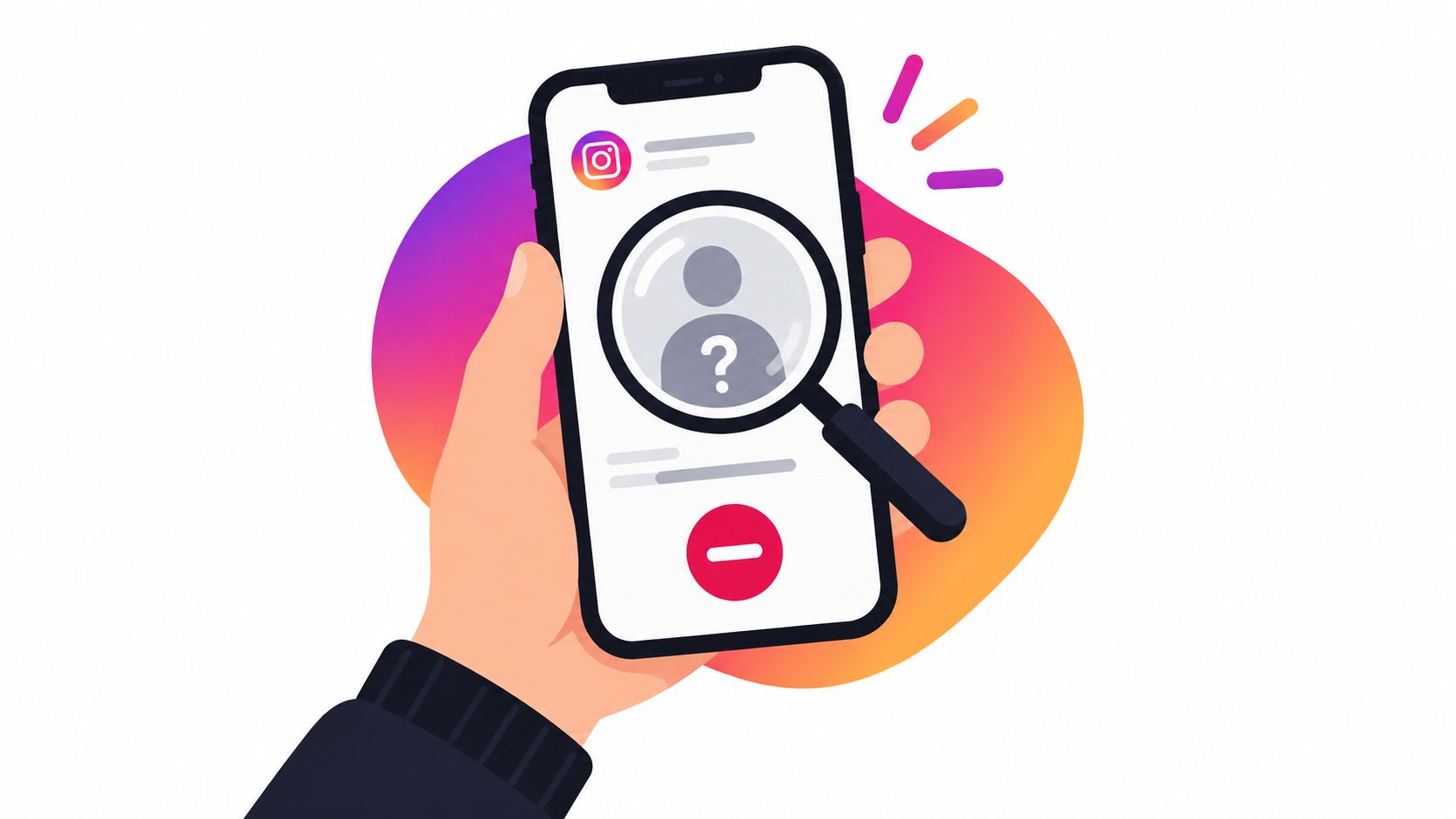
How to know if someone blocked you on Instagram: a signs checklist, false positives to rule out, and how to verify with a logged-out profile lookup.
Instagram never notifies you when you're blocked, so no single alert exists. The clearest answer comes from combining several checks and ruling out lookalike causes before treating a block as likely.
A familiar username can suddenly disappear from search, an old conversation may look different, and a profile link may lead nowhere. That feels conclusive, but the same symptoms can follow a username change, deactivation, deletion, suspension, privacy change, or temporary Instagram error.
For a quick public check without an Instagram login or password, the Unfollowers Track Profile viewer shows whether a public profile summary is still available. It won't reveal private content or prove why an account is unavailable.
You search for a familiar username and find nothing. Before treating that result as a block, establish whether the account is missing only from your view or has disappeared more broadly. Instagram says a blocked person cannot search for the blocker's profile, view its content, or send messages, and Instagram does not send a notification confirming the action. Instagram's blocking guidance supports weighing several matching observations rather than relying on one search result.
Begin with the exact username, not the display name. Search while logged into the affected account, then open an older direct-message thread if available. Check any saved profile link, tag, or comment link and record the result: no match, a generic unavailable page, or a profile that loads with an empty-looking grid. Each outcome narrows the possibilities, but none identifies the cause alone.
Check the same username outside the affected login state. For example, open instagram.com/username in a private browser window and note whether the profile header loads or the page says “Sorry, this page isn't available.” A no-login lookup in the Profile viewer gives you another comparison point. A private account may show little or no content to logged-out visitors, so limited visibility is not proof of blocking.
Use this comparison to build confidence gradually. Deactivation, deletion, a changed username, suspension, privacy settings, and temporary errors can imitate a block. The purpose is to interpret access changes carefully, not investigate someone's motives. If the evidence points to a boundary, respect it.
No single sign settles the question. Look for a consistent pattern across profile visibility, messages, interactions, and mentions.
The profile can't be found in search. If the exact username no longer appears while logged in, blocking is possible because Instagram says a blocked account can't search for the blocker's profile. A renamed account, deactivated or suspended profile, deleted account, spelling mistake, or temporary search error can produce the same result.
The profile link shows no posts or an unavailable state. A page that says “User not found,” displays no posts, or appears inaccessible can fit Instagram's blocking behavior. It can also mean the person changed their handle, removed the account, temporarily disabled it, or changed who can see the content.
Following no longer works. If the profile is visible but a follow attempt doesn't complete, blocking is one explanation. A platform error, account restriction, changed privacy setting, or an account that is in the process of becoming unavailable can look similar.
New messages can't be sent. Instagram says a blocked person can't send messages to the blocker. An old thread may still remain visible, however, and a generic name in that thread can also reflect a rename, deactivation, or deleted profile.
Mentions and tags fail. A blocked account can't mention or tag the blocker's username, even when the username is known, according to Instagram's mention and tag information. Privacy controls for mentions or tags, a changed username, an unavailable account, and a temporary error can cause the same failure.
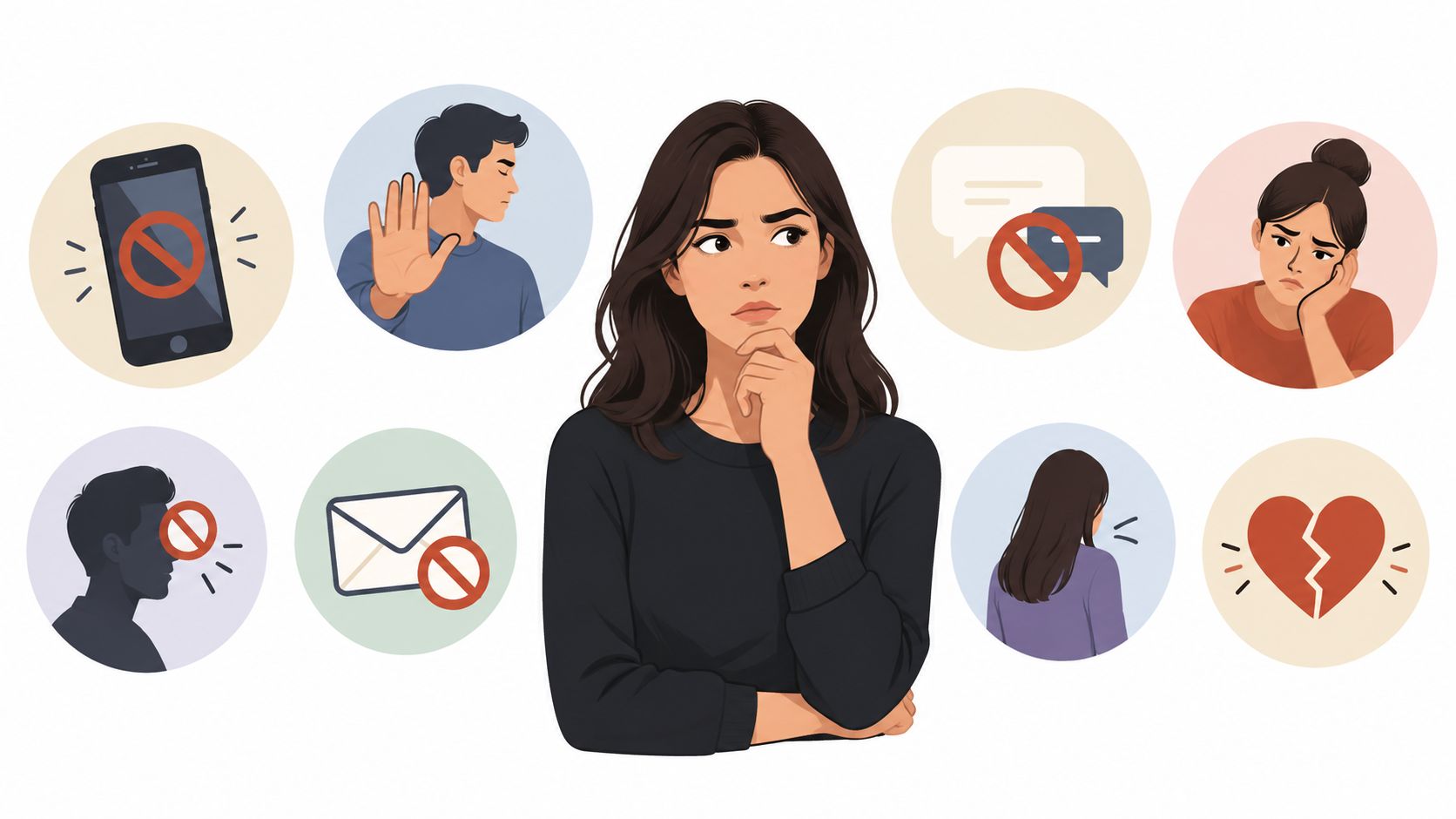
The fastest way to avoid a false conclusion is to compare the observation with its alternatives. This table organizes the evidence by symptom rather than assuming every symptom has the same cause.
| Sign you noticed | If blocked | Other possible cause |
|---|---|---|
| Profile isn't found in search | The affected account can't search for or open the blocker's profile. | Deactivation, deletion, suspension, a username change, a spelling error, or a temporary platform problem. |
| No posts are visible | The blocked account can't view the blocker's content. | A private account, logged-out visibility limits, removed posts, or an unavailable profile. |
| Old DM thread shows a generic name | Communication may no longer be possible even if the thread remains. | The person renamed, deactivated, or deleted the account. |
| Mentions and tags fail | The blocked account can't mention or tag the blocker. | Mention or tag privacy settings, a changed handle, or a temporary error. |
Restrict isn't the same as block. Restrict can change how interactions appear and can limit communication without producing the complete profile invisibility associated with blocking. A profile that remains searchable and viewable therefore doesn't fit the strongest blocking pattern, even if messages or comments behave differently.
A particularly difficult case is an account that nobody can find. From outside, a deleted account and a deactivated account can look identical, and a suspension can produce a similar result. Only later reappearance may distinguish some of these possibilities, while a username change requires finding the new handle. The comparison in remove follower vs block on Instagram can help clarify why a missing relationship alone isn't enough.
Verification works best as a controlled comparison, not as a series of increasingly urgent searches. The goal is to compare the affected login with a neutral public view while avoiding contact or attempts to bypass another person's privacy choice.
Search while logged in. Enter the exact username and open any remaining DM, tag, or profile link. Record whether the account is absent, unavailable, or visible with little or no content.
Check while logged out. Open the profile URL in a private browser window without signing into Instagram. Instagram can limit logged-out visibility, and a private account may not show posts, so a restricted result isn't proof by itself.
Use a public profile lookup. A no-login profile viewer can indicate whether a public profile summary still exists. If the profile is visible publicly but consistently unavailable only to the affected account, blocking becomes the strongest explanation. If nobody can locate it, an account change or platform availability issue is more likely.
The important control condition is whether an independent public view can find the exact handle. A result from a permitted viewer is more informative than a profile vanishing from one search session, but it still can't reveal the person's intention.
Respectful rule: Don't create or use alternate accounts to contact the person or test the block. A block is a privacy boundary, not an invitation to bypass it.
Repeated rapid searches, automated scraping, caching, login state, and rate limits can make results inconsistent. A calm comparison is more useful than refreshing the same profile repeatedly. For related public-viewing questions, the Instagram Story guide offers additional context about availability and visibility.
Treat each result as a rung, not a verdict. Start with the simplest explanations, then raise your confidence only when separate checks agree.
Likely blocked: The exact handle loads in a logged-out public viewer but consistently returns “User not found” or an empty grid only when you check from the affected account, across two checks spaced apart. This is the strongest practical indication, although it cannot reveal the person's reason.
Account unavailable or renamed: The exact handle cannot be found from either view. Deactivation, deletion, suspension, or a username change fits this pattern better than a block affecting only one account.
Inconclusive: Results conflict, logged-out viewing is limited, privacy settings hide content, or a temporary platform issue prevents a fair comparison. Keep this rung open rather than forcing a conclusion.
The key question is whether the difference stays consistent after normal explanations have been tested. A single missing result is like one blurry photograph. Repeated, account-specific results provide a clearer picture, but they still do not prove intent.
A follower comparison can show that someone disappeared from available follower data between scans. Unfollowers Track can help compare public follower lists, but it cannot distinguish a block from an unfollow or deactivation. A scan also cannot establish exactly when the change occurred.
If the evidence points to a block, respect it as a privacy boundary. Do not create or use alternate accounts to contact the person or test access. If you need to review your own settings, use Instagram's blocked-account controls and select Unblock beside the account. Otherwise, accepting the available boundary is the clearest next step.
Instagram does not send a notification when an account is blocked. The person may notice changes, but each sign has an innocent explanation too. For example, a missing profile can reflect deactivation, deletion, a new username, or a privacy change. See Instagram's help information on blocking for the platform's explanation of blocked access.
Yes. A direct-message thread may remain visible even if you can no longer communicate. If the thread is still there but sending fails, check whether the profile also disappears from search and from a logged-out lookup. Deactivation can create the same message-thread appearance, so compare those checks before concluding that you were blocked. Group chats may behave differently when both people remain in the same group.
A block can make a profile, its content, and messaging unavailable to the affected account. Restrict is a separate privacy setting. If you can still find and view the profile, restriction or another account setting may fit better than a block.
An unfollow only changes the following relationship: the profile stays searchable and viewable, and you can still message each other. A block cuts off search, profile viewing, messages, mentions and tags for the blocked account. Both remove the person from the other's follower or following list, which is why a follower comparison can't tell them apart. For related answers, see the Unfollowers Track FAQ.
About the author
We are the team that builds and runs Unfollowers Track, a scan-based Instagram tracker. Everything we publish is checked against how the product actually works: scans analyze public profile data only, changes show up by comparing one scan against the next, and we never ask for your Instagram password. Unfollowers Track is owned and operated by NaviStack LLC. Learn more about Unfollowers Track, read how we test and verify claims, or contact us with questions or corrections.
Unfollowers Track
Start with a free preview of who doesn't follow you back. Ongoing tracking then compares each completed scan with the last one, so you can see who unfollowed you in between.
Privacy & blocking
Can you change your Instagram username? Yes. Learn the settings steps, previous-name conditions, and why followers may be notified.
Oct 17, 2026
Privacy & blocking
What happens when you restrict someone on Instagram: comments need your approval and DMs go to requests. How it compares to blocking, and how to undo it.
Oct 10, 2026
Privacy & blocking
Muting someone on Instagram keeps the follow but hides their posts or Stories from your feed, and they aren't notified. How to mute, unmute or unfollow.
Oct 8, 2026
Privacy & blocking
How to remove a follower on Instagram, whether they're notified, and when blocking is the better choice, with steps to undo either action.
Oct 5, 2026