Stories
How to Watch Instagram Story Anonymously in 2026
Learn how to watch Instagram story on any public account, what anonymous viewing actually does, and how to fix common errors. Practical guide for 2026.
Oct 3, 2026
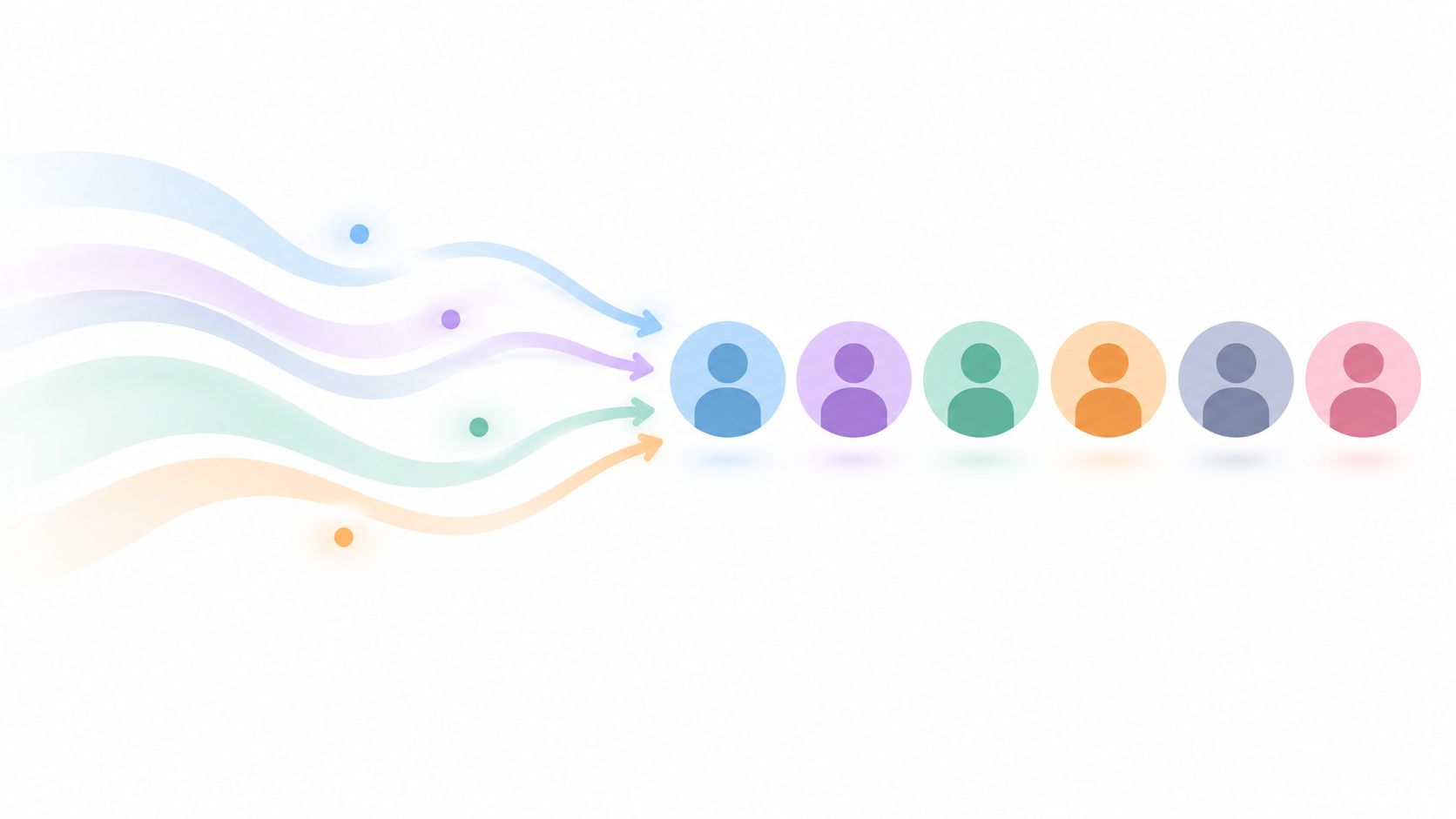
Learn how Instagram story viewers order works, what the ranking does and doesn't mean, common myths about top viewers, and what public tools can verify.
Instagram has not published a fixed formula for ordering Story viewers, so position on the list should not be treated as proof of interest, stalking, or exact watch time. Instagram Story viewers order is better understood as a platform-generated display than a ranking of someone's feelings or intentions.
For readers whose next step is viewing public content rather than interpreting their own audience, the public Story viewing and saving tool offers a separate task: retrieving currently available public Stories without using an Instagram account. It doesn't reveal another person's private viewer list.
A familiar name near the top can feel like a clue, especially when it belongs to an ex, partner, or crush. The list supports a narrower conclusion: that account appears among the displayed viewers. Its position is a platform-generated display, not a verified record of someone's motives or a behavioral ranking.
Stories use a 24-hour content window. That describes how long the content is designed to be available, not how Instagram sorts viewer names or how long viewer details remain accessible. Those are separate questions.
Practical rule: Record what appeared, not what you think it means.
A useful way to read the list is to separate three observations:
Each answers a different question. A reply is an interaction; a high position is a place in the display. Inferring someone's feelings from that position adds meaning the list itself does not establish.
Highlights involve a related but distinct question: access to content. The guide to viewing Instagram Highlights without an account covers that viewing task. It does not make Highlights an extension of a Story viewer ranking.
A helpful analogy is a guestbook for a temporary pop-up event. A guestbook can identify visitors without explaining why they arrived, what they thought, or whether they returned later. Treating its arrangement as an emotional ranking would ask it to answer questions it wasn't built to answer.
The same distinction helps separate Story content from information about its audience. These are different layers, not interchangeable forms of access.
| Layer | The question it answers |
|---|---|
| Story content | What item is available to view? |
| Viewer information | Which accounts appear in the owner's available viewer display? |
| Historical record | What sequence of events can actually be established? |
The important timing distinction is between content availability and viewer-list availability. A Story's lifespan doesn't, by itself, establish the deadline for accessing viewer names. The two shouldn't be collapsed into a single rule, and a precise viewer-list deadline shouldn't be stated without current official confirmation.
Likewise, viewing a public Story doesn't grant access to its owner's audience information. A public content lookup serves a different purpose from the owner's in-app viewer display.
A viewer list is a platform-generated display, not a behavioral ranking. Its arrangement alone does not tell you who is most interested in an account or why one name appears above another.
It also helps to separate two different systems: which Stories Instagram presents to a viewer, and how it arranges accounts in a Story's viewer list. An explanation of the first does not confirm how the second works. Instagram has not publicly documented a complete formula for individual viewer-list positions.
Claims that messages, profile visits or interactions determine a particular viewer position should not be presented as confirmed facts without a source addressing this specific list.
The 50-view threshold circulates widely in third-party explanations, but it is a heuristic, not an official Instagram technical specification. It should not be treated as a guaranteed switch from chronological order to engagement-based order.
That threshold can describe a proposed pattern, but it cannot establish who watched first, explain why a specific account appears in a certain spot, or prove that someone rewatched a Story.
Before accepting a ranking claim, ask three questions:
Do not use a plausible theory to assign a cause to one account’s position.
Story Viewer Order Myths vs Evidence
| Common assumption | What the evidence supports |
|---|---|
| The top viewer is stalking the profile. | Placement alone doesn't identify profile visitors or establish monitoring behavior. |
| Order reveals the exact watch time. | Position isn't a timestamped event record. |
| The list is always chronological. | No publicly documented universal ordering rule establishes that interpretation. |
| A public viewer tool guarantees anonymity. | Avoiding an Instagram-account login is narrower than a universal privacy guarantee. |
The mistake behind these assumptions is treating an indirect observation as a direct measurement. A sorted list looks precise because each name has a definite position. That visual precision doesn't make the interpretation equally precise.
A reader can apply a simple editorial test: does the conclusion describe the display, or a person's hidden behavior? “The account appeared near the top” describes the display. “The account repeatedly searched the profile” introduces behavior that wasn't observed.
A precise-looking arrangement can still support only a limited conclusion.
This also applies to accounts near the bottom. Their position shouldn't become a label such as uninterested follower, poor prospect, or ghost follower. The display provides no defensible basis for those classifications.
The related guide on whether Instagram reveals profile viewers addresses the distinction between content viewers and supposed profile-visitor information. Keeping those categories separate helps prevent a Story audience list from becoming an imagined profile-visit report.
For relationship-curious readers, the practical benefit is straightforward: a list can remain useful without being used to make accusations, test affection, or infer a change in a relationship.
Use Instagram itself to check your own audience. Its current Android Help instructions say:
Only the owner can inspect this list. Instagram notes that view totals include replays and that Instagram Plus previews are excluded from the viewer list and view number. These details do not explain the ordering of names.
A public Story tool offers a different workflow: enter an appropriate public username or profile URL, select Look up, and inspect the returned items. Available photos or videos can then be saved where supported.
That workflow retrieves content, not the owner's private audience analytics. It's useful for someone who wants to view an available Story without signing into Instagram, but it isn't an alternative way to inspect who watched somebody else's Story.
Keeping the two workflows separate avoids the central product misunderstanding: public media access is not private viewer-list access.
Hypothetical example: A person posts a Story, checks its viewers, and notices an ex near the top. The person starts wondering whether the placement indicates renewed romantic interest.
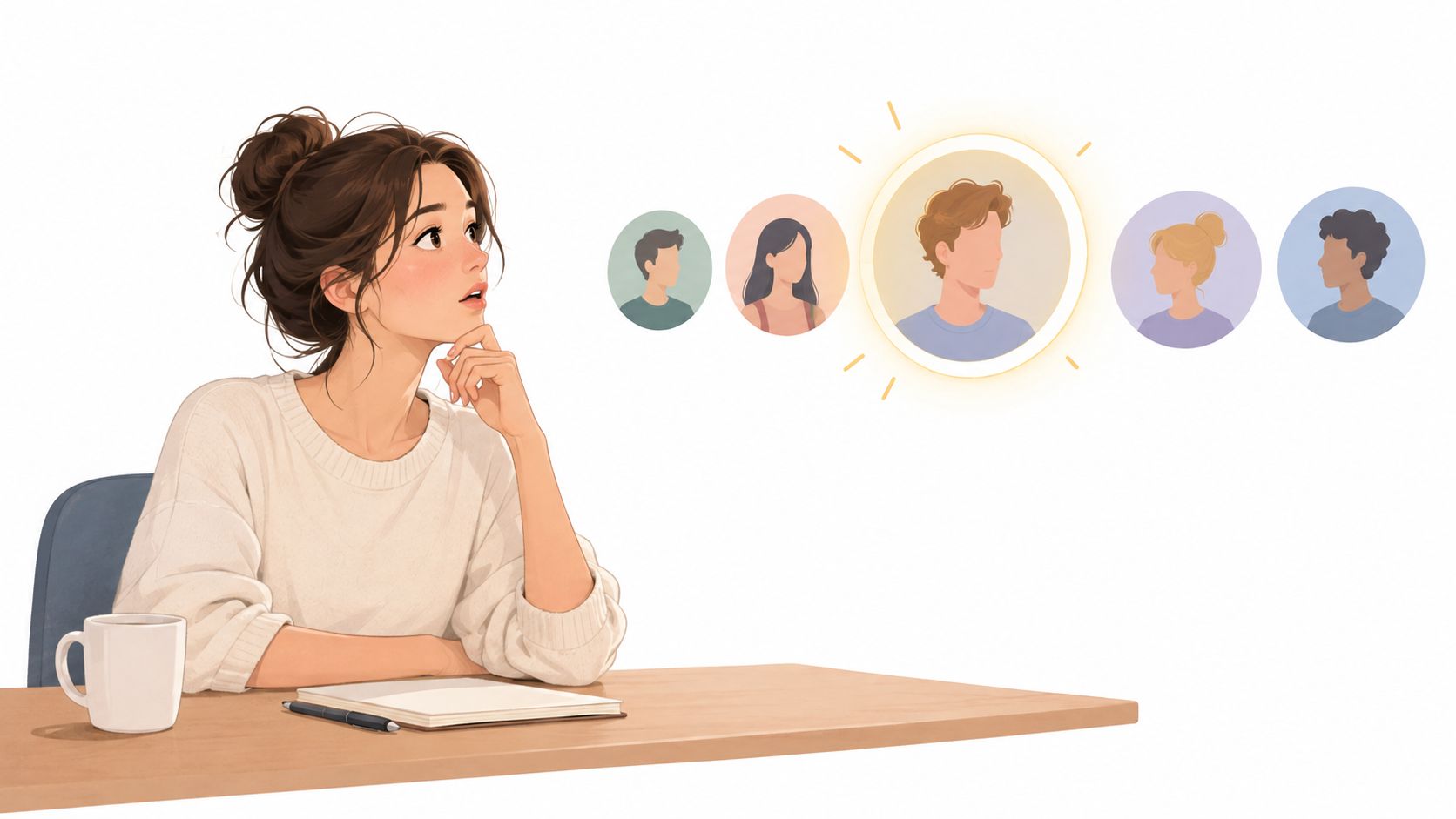
The disciplined response begins with a neutral note: the ex's account appeared in that position when checked. Possible explanations might include previous interactions or undisclosed personalization, but choosing among those possibilities would require evidence beyond the ordering.
| Statement | How to classify it |
|---|---|
| The ex's account appeared near the top. | An observation of the display. |
| Previous interactions might be relevant. | A possible explanation, not a finding. |
| The ex wants to reconnect. | A relationship interpretation requiring separate evidence. |
The person doesn't need to solve the algorithm to make a sensible decision. If the concern is communication, an actual message provides something concrete to consider. If the concern is unwanted contact, the decision can rest on the contact itself rather than a ranking theory.
Useful question: What evidence would still matter if the names were displayed in a different order?
That question helps expose how much of the conclusion depends on layout alone. A conversation, reply, or explicit statement would remain relevant even if the account appeared elsewhere.
The example isn't a customer story or a test result. It illustrates a reasoning method: describe the observation, identify possible explanations without selecting one prematurely, and base personal decisions on independent evidence.
A public Story tool retrieves currently available public content. Its display works like a limited window: it shows the items returned at lookup time, not everything that may once have appeared on an account.
That boundary matters. Public lookups don't provide private or Close Friends content, expired or unavailable Stories, private viewer lists, complete viewing histories, exact watch times, or Instagram's internal ranking inputs. Those gaps mean a content lookup cannot establish how Instagram arranged a viewer list or why.
If a lookup doesn't use the visitor's Instagram account, the view isn't attributed to that account in the Story viewer list. This describes account attribution only. It doesn't promise universal anonymity across websites, devices, or other viewing methods.
The public Stories tool on this site doesn't require an Instagram password. Full results or monitoring may require a product account or paid plan, so don't assume every workflow is free.
A saved file also differs from an interactive Story. It doesn't preserve poll, quiz, or link behavior. For more on access methods, see this guide to watching an Instagram Story.
Choose the method based on the task: use a public lookup to retrieve content. To understand a relationship, look for evidence about the relationship itself, rather than treating a reordered list of names as an explanation.
Repeated placement doesn't establish a unique cause. A consistent position is still an observation of the display, rather than a diagnosis of that person's interest.
Yes. Instagram lets the owner see the viewer list for their own Story; public lookup tools cannot reveal somebody else's private audience list. Instagram notes that Plus subscribers who previewed a Story are excluded from its viewer list and view number.
Instagram says you can check viewers for up to 48 hours after posting. After the first 24 hours, open the Story through Archive. See the official viewer-list instructions.
It can show the public items returned and available at lookup time. It doesn't turn those items into a historical audience report.
Related questions need their own evidence. The guide to Instagram screenshot notifications addresses capture-related concerns, and should be read separately from viewer-list interpretation.
Unfollowers Track offers browser-based viewing and saving of currently available public Instagram Stories without an Instagram password. Readers looking for content access rather than a verdict about viewer order can use the public Stories viewing tool.
These partner resources are separate from the factual sources above.
About the author
We are the team that builds and runs Unfollowers Track, a scan-based Instagram tracker. Everything we publish is checked against how the product actually works: scans analyze public profile data only, changes show up by comparing one scan against the next, and we never ask for your Instagram password. Unfollowers Track is owned and operated by NaviStack LLC. Learn more about Unfollowers Track, read how we test and verify claims, or contact us with questions or corrections.
Free Story viewer
Enter a public username to see its active Stories in your browser. Your Instagram username isn't added to the viewer list, and you never share a password.
Stories
Learn how to watch Instagram story on any public account, what anonymous viewing actually does, and how to fix common errors. Practical guide for 2026.
Oct 3, 2026
Stories
Save your own Instagram Story to your camera roll or archive, or save a public Story without logging in. Exact steps, quality limits and privacy rules.
Sep 30, 2026
Stories
View public Instagram Highlights without an account or login. Learn what works, what does not work for private accounts, and how to browse safely.
May 18, 2026
Saving posts & Reels
Use Unfollowers Track Instagram Downloader to download Instagram reels, videos, and photos instantly. Secure Instagram video downloader online.
Jun 4, 2026